What Compliance Looks Like for Canadian Businesses: Tax Compliance
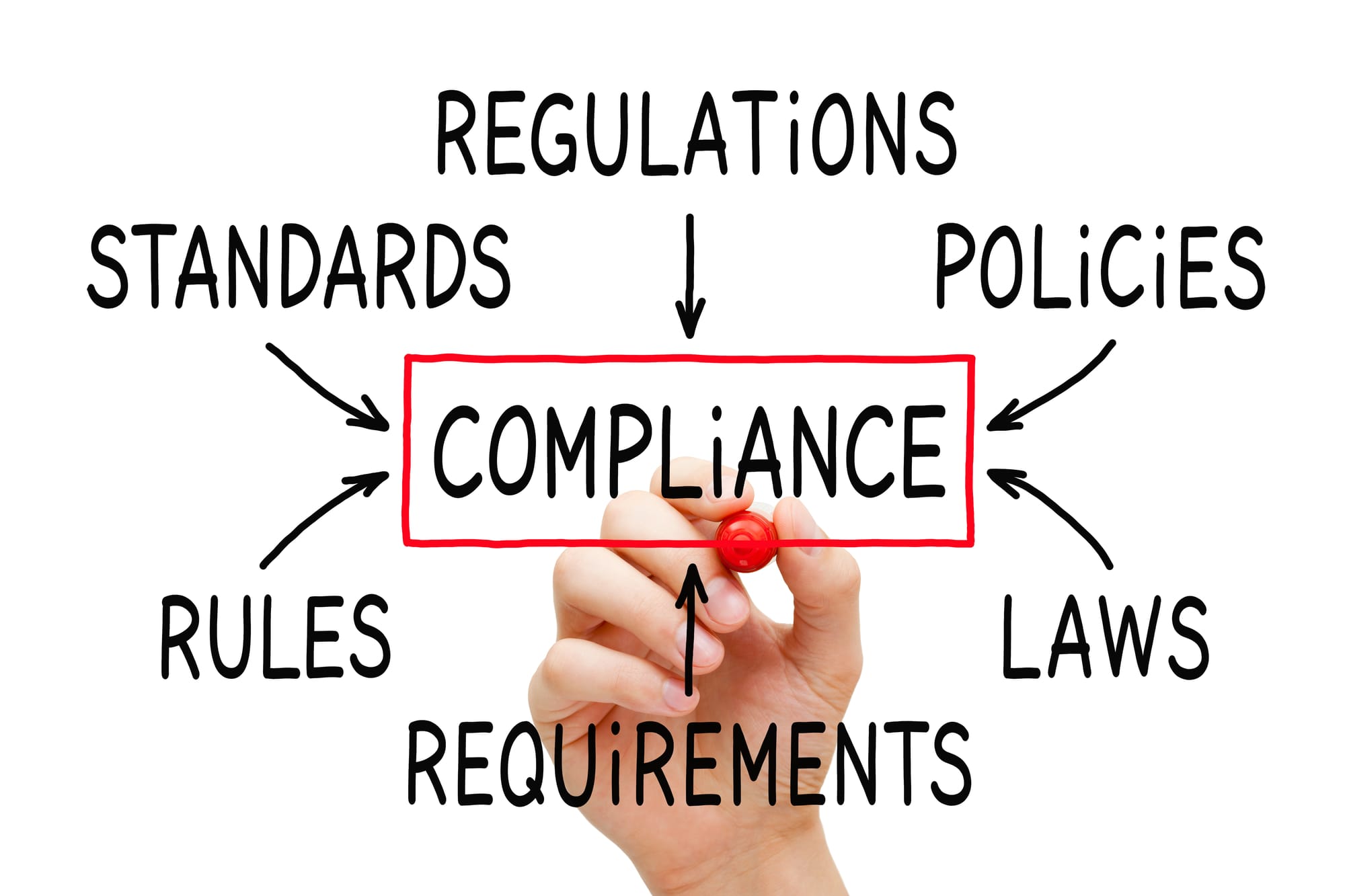
Corporations must file a T2 Corporate Income Tax Return within six months of their fiscal year-end, with tax payments due within three months for most CCPCs. The federal small business tax rate of 9% applies to the first $500,000 of active business income — but only if you file correctly and on time. Quarterly instalments are required when your prior year’s net tax owing exceeding $3,000. GST/HST compliance adds another layer. Mandatory registration applies when taxable supplies exceed $30,000 over four consecutive calendar quarters (raised to $40,000 for 2025). Filing frequency depends on revenue: annual for sales under $1.5 million, quarterly for $1.5 million to $6 million, and monthly for sales above $6 million. Each missed filing carries its own penalty, and input tax credits are only available with proper documentation. Payroll compliance is where many businesses stumble. Employers must deduct and remit income tax, CPP, and EI premiums by the 15th of the following month for regular remitters. T4 slips must be filed by the last day of February, with penalties of up to $2,500 per slip. Employment and Labour Standards Each province maintains its own Employment Standards Act covering minimum wage, overtime, vacation pay and leave requirements. Workers’ compensation registration is mandatory in every province WSIB in Ontario, WorkSafeBC in British Columbia, WCB in Alberta and the prairies with premiums based on industry classification and payroll. Health and safety obligations carry the most serious consequences. Under Canada’s Westray Law (Bill C-45), reckless disregard for worker safety can result in criminal negligence charges with imprisonment for directors and supervisors. Provincial OHS fines reach $2 million for corporations in Ontario and $1 million for federally regulated workplaces. Corporate and Regulatory Obligations Beyond tax and employment, businesses must maintain annual corporate returns, hold valid business licenses, and comply with industry-specific regulations. Directors can face personal liability for payroll source deductions and GST/HST remittances, making compliance a matter of personal financial protection. Canadian businesses operate under multiple regulators: the CRA administers tax laws; ESDC oversees the Canada Labour Code, EI, and CPP; provincial ministries enforce employment standards; and Workers’ Compensation Boards manage workplace injury insurance. Industry-specific bodies like the Canadian Food Inspection Agency and FINTRAC add further layers for regulated sectors.
How Compliance Builds Business Value
Trust and Credibility
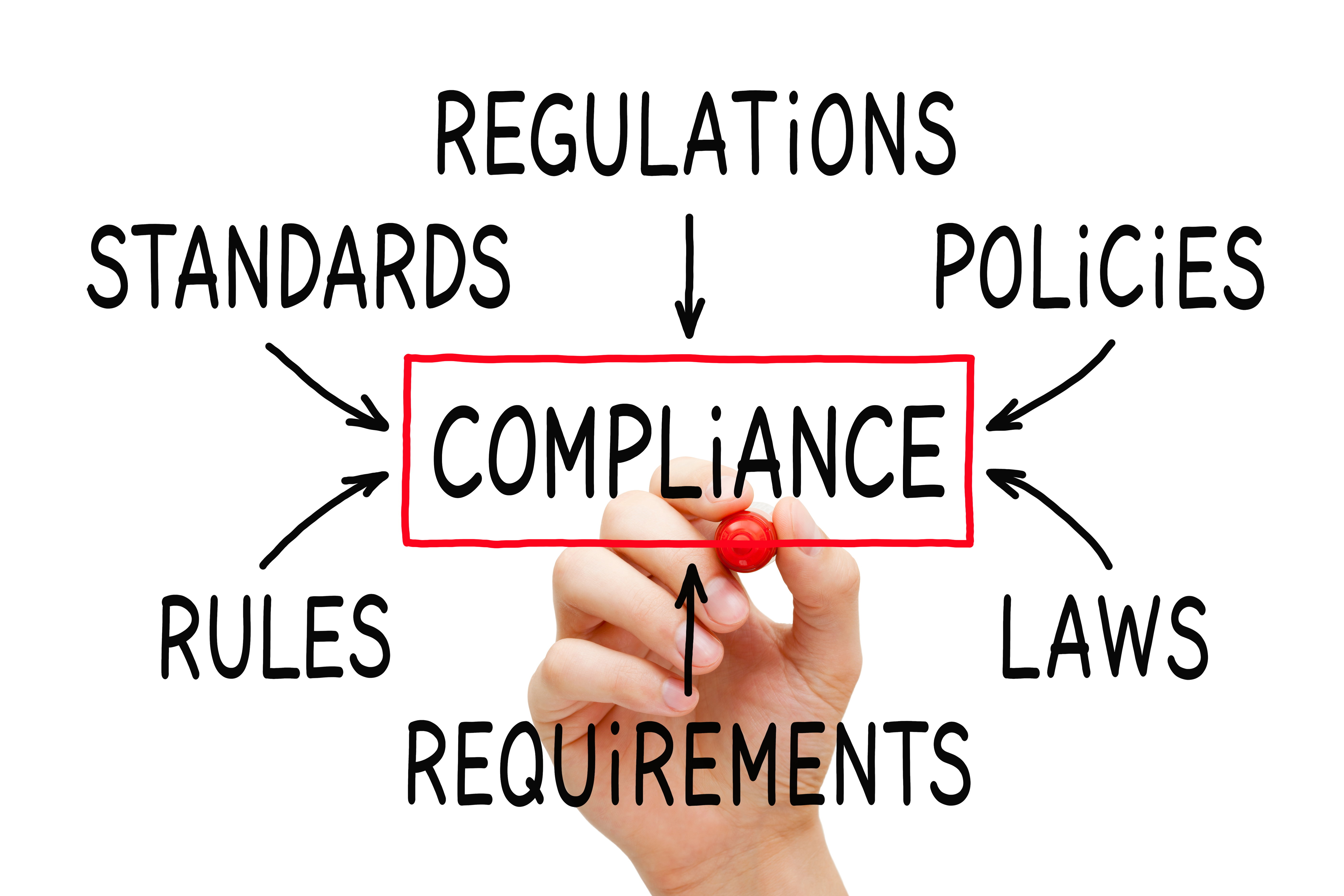
Compliance signals that your business is professionally managed and financially stable. Research found that consumers are willing to pay more for products from compliant businesses, valuing integrity over aesthetics. Lenders assess compliance history in loan evaluations, investors conduct due diligence during acquisitions, and partners increasingly require proof of proper licensing before executing contracts. A clean record also opens doors to government procurement that non-compliant competitors cannot access.
Operational Efficiency
Proper record-keeping produces accurate financial data that enables better decisions from pricing strategies to growth planning. When your books are clean year-round, tax season becomes filing rather than frantic reconstruction. Complete documentation also protects you during CRA audits, allowing efficient responses with confidence rather than anxiety.
Risk Mitigation
Proactive compliance is fundamentally a risk management strategy. It protects against penalties that derail cash flow, shields directors from personal liability for corporate tax debts, and prevents disruptive audits that pull leadership attention from growth. With over 70% of Canadian small business failures attributed to management issues including compliance failures the businesses that thrive treat regulatory obligations as integral to operations rather than external irritations. Building Your Compliance Framework