Practical Audit Risk Mitigation Strategies
Before You File
Reconcile all bank accounts, credit cards, and loan accounts before submitting any return. Review expense ratios for reasonableness if your vehicle expenses represent 40% of revenue while the industry average is 8%, attach an explanatory note. Use accounting software with built-in audit trails. Cross-check that GST/HST revenue matches T2 income exactly and verify payroll records align with T4 slips.
Working with Professionals
A CPA review before filing is one of the most cost-effective risk-reduction measures available. An experienced accountant understands current CRA audit patterns and can defend your position if questions arise. For higher-risk businesses cash-heavy industries, complex structures, or chronic loss positions consider quarterly reviews.
Ongoing Best Practices
Separate business and personal finances completely. Use a dedicated business bank account and credit card. Never pay personal expenses from the business account or deposit business revenue into a personal account doing so invites allegations of disguised personal deduction. Perform monthly reconciliations, document unusual transactions with notes at the time they occur and stay current with tax law changes.
The Voluntary Disclosures Program
If you discover past errors, the CRA’s Voluntary Disclosures Program (VDP) allows correction before the agency initiates contact. As of October 1, 2025, unprompted disclosures receive 100% penalty relief and 75% interest relief; prompted disclosures receive up to 100% penalty relief and 25% interest relief. To qualify, the disclosure must be voluntary, complete, involve potential penalty, and be at least one year past due.
What To Do If You’re Audited
Immediate Steps
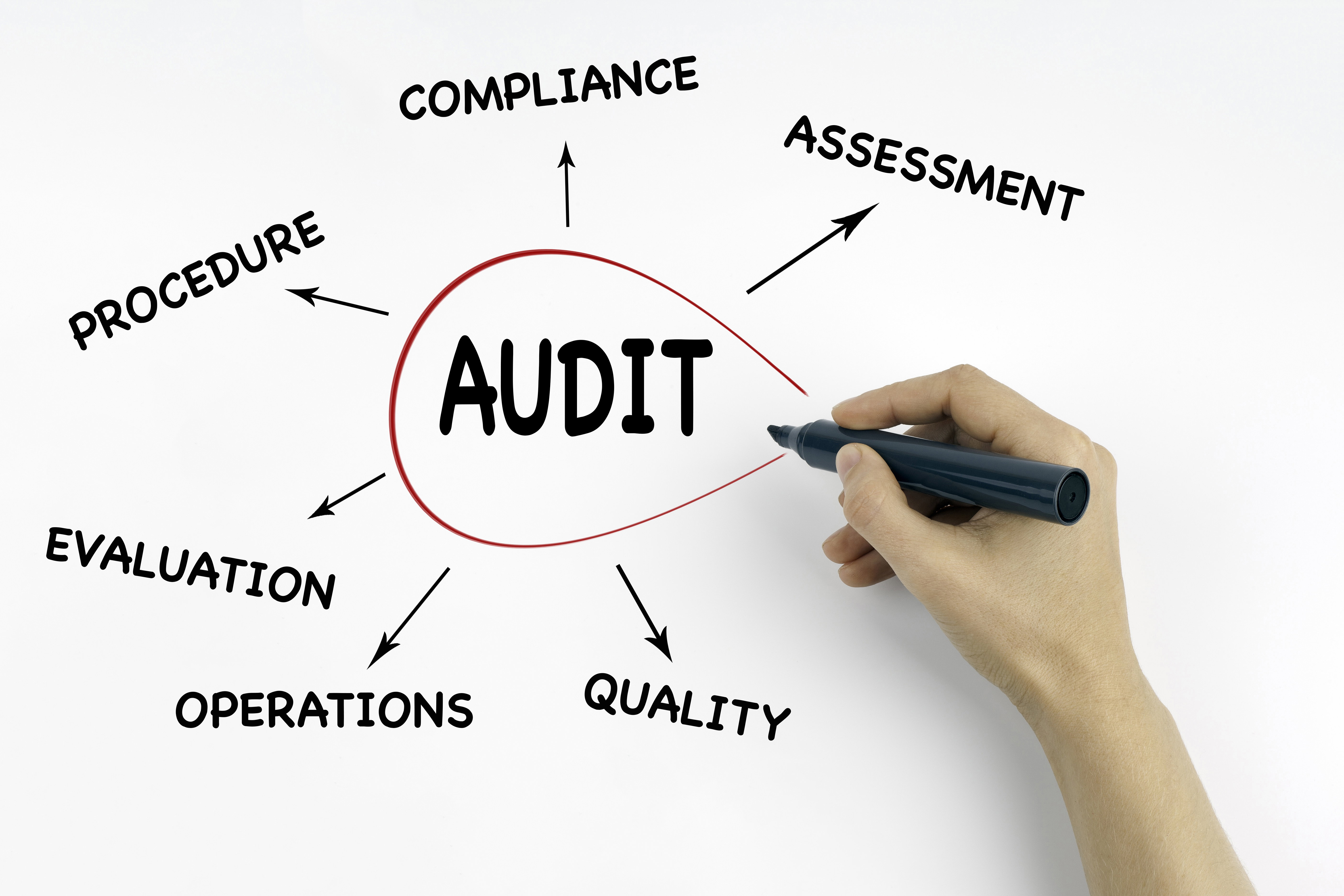
An audit letter is not an accusation it is a request for verification. Read it carefully to understand the scope, years under review, and deadlines. Failure to respond can result in arbitrary assessments based on CRA estimates. Engage a CPA or tax lawyer to represent you throughout the process.
During and After the Audit
Be cooperative and factual. Provide only what is requested volunteering extra documentation can expand the audit scope. Keep detailed notes of every communication. The Taxpayer Bill of Rights guarantees protections including privacy, accurate information, and representation by a person of your choice. If you disagree with findings, you have 90 days from the Notice of Reassessment to file a formal Notice of Objection. For complex disputes, appeals can proceed to the Tax Court of Canada after the objection stage. CRA audit risk is not a lottery it is a direct function of how you manage your books, report your income, and support your deductions. Businesses are least likely to face an audit share common trait: consistent reporting across filings, meticulous six-year record-keeping, reasonable expense claims backed by documentation, and professional review before submissions. With AI-driven audit selection becoming increasingly precise, the margin for error is shrinking.