Articles

A valid receipt must include the vendor’s name and address, Business Number (if GST/HST registered), description of goods or services, transaction date, and amount paid. Credit card summaries alone are not sufficient they lack the detail the CRA requires.
Read More
The most effective way to manage compliance is through a structured calendar of obligations. The following checklist organizes the key tasks every Canadian business should track.
Read More
A bookkeeper handles routine recording and reconciliation. A tax professional is essential for tax preparation and CRA inquiries. A payroll specialist prevents costly remittance errors. The general rule: if a question involves tax law interpretation or potential penalties, consult a professional before acting.
Read More
Digital vs. Paper Records The CRA accepts digital records without reservation, provided they are organized, accessible, readable, and securely backed up. Receipt-scanning apps like Dext, Expensify, or QuickBooks’ built-in capture allow you to photograph and categorize receipts at the point of purchase. Store records in cloud-based systems with automatic backup losing six years of documentation to a hard drive failure is entirely avoidable.
Read More
The CRA requires records to be kept for at least six years from the end of the tax year they relate to. If you filed your 2024 corporate return, keep documentation until at least 2031. Capital property records must be kept indefinitely while owned for six years after disposal. Corporate records must be retained for two years after dissolution, and if you file an objection, records must be kept until the matter is resolved for six years.
Read More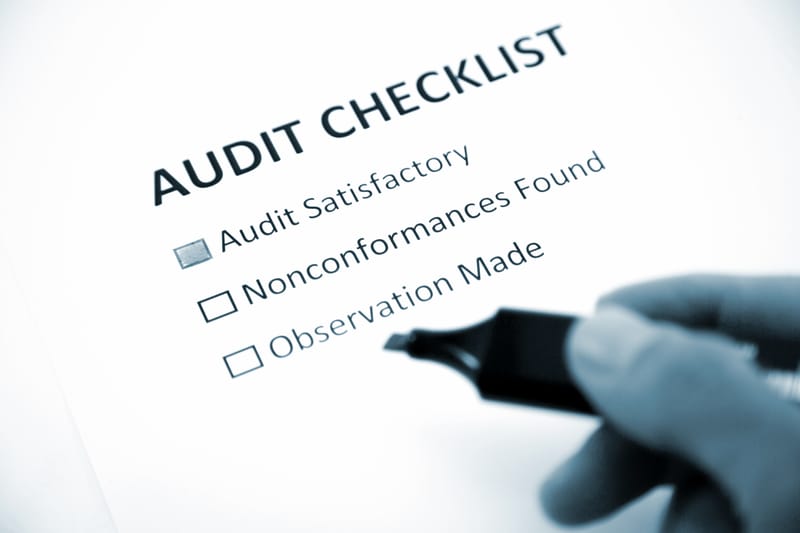
Use the principles in this article to conduct a self-audit of your practices. Verify that GST/HST revenue matches corporate income. Confirm your mileage log is current and receipts contain required details. Ensure shareholder loans are documented and on track for repayment. If you identify gaps, address them now before a CRA letter arrives. Prevention remains far less costly than cure.
Read More